Powell River Top General Contractor for Professional Remodeling
General Contractor: Your Leading Expert for Home Work
A general contractor executes an important role in home projects. They supervise numerous aspects of building, making sure that work advances smoothly. Their expertise in building codes and requirements enables them to work through the difficulties of permits and examinations. This expert acts as an essential connection between homeowners and trade specialists. However, many homeowners remain uncertain about the entire scope of their services. Understanding these particulars can have a major impact on the success of any remodeling project.
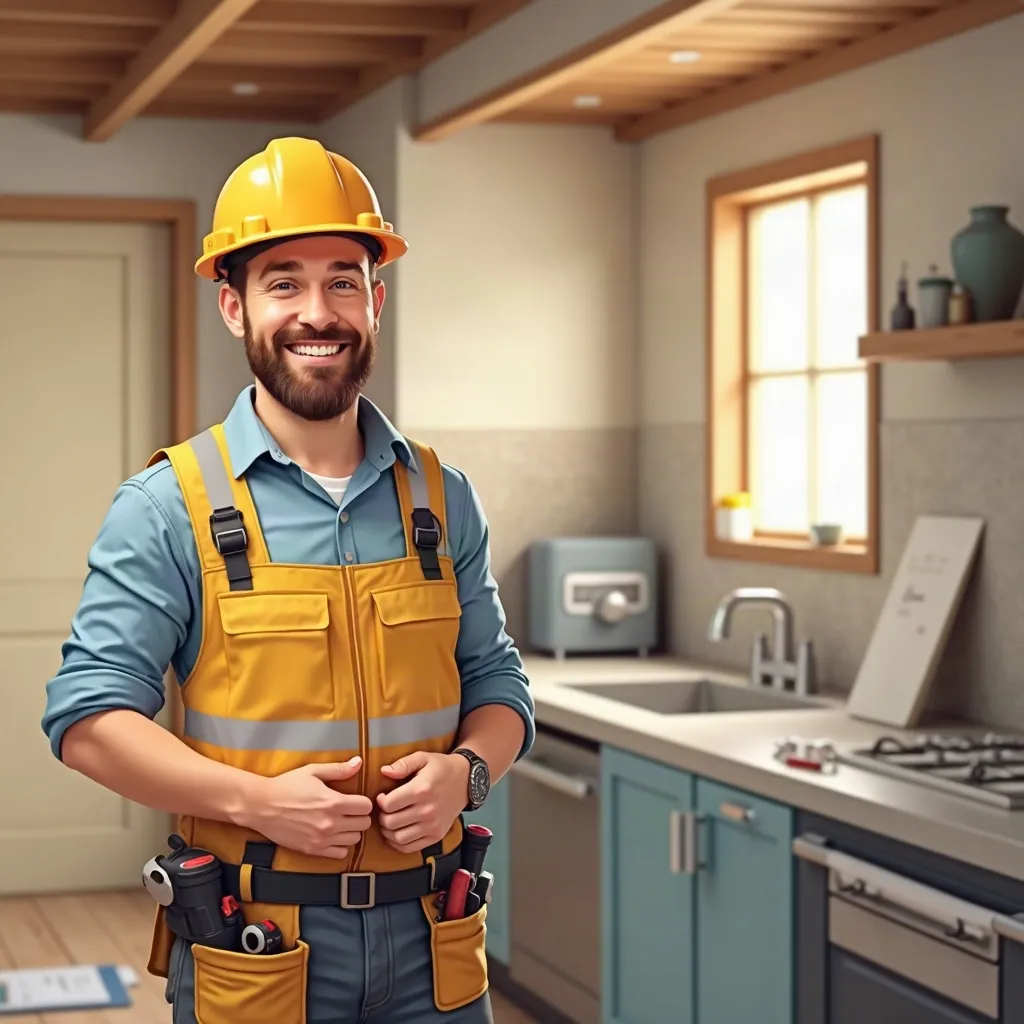
What Does a General Contractor Perform?
A general contractor orchestrates the various elements of a construction project, confirming that everything runs smoothly from start to finish. They serve as the primary point of contact, directing communication between stakeholders, subcontractors, and distributors. This function requires mapping out the project timeline, coordinating personnel, and ensuring compliance with local building codes and ordinances.
General contractors are in charge of obtaining necessary permits and scheduling inspections, which are vital for maintaining safety and quality standards. They also handle budgeting, sourcing materials, and managing on-site activities to prevent any possible setbacks or complications. In addition, they oversee subcontractors, ensuring that each phase of construction aligns with project specifications and timelines. Overall, a general contractor's knowledge and management abilities are essential to completing a successful construction project, transforming a client's vision into reality while balancing multiple tasks and responsibilities.
Hiring a general contractor for home renovations provides many benefits that can greatly enhance the quality and efficiency of the project. Professional contractors possess knowledge in project management, making sure deadlines are achieved and resources are allocated efficiently. Their established relationships with specialized tradespeople can lead to better pricing and excellent craftsmanship, which ultimately helps property owners both time and money.
Furthermore, project managers address the intricate details of approvals and reviews, limiting potential legal issues. They also deliver a one main contact, simplifying communication and coordination among various trades. This consolidation lowers the likelihood of errors and postponements.
Additionally, their expertise allows them to anticipate looming difficulties, permitting proactive solutions to stay on track the project on schedule. By bringing on a general contractor, homeowners can focus on their vision while obtaining peace of mind, assured that a professional is managing every aspect of the renovation.
Debunking Myths About Construction Contractors
While many property owners may believe false notions about contracting experts, understanding the facts can result in more informed decisions. One popular myth is that hiring a general contractor is not required for small projects; nevertheless, their know-how can streamline even small-scale renovations, guaranteeing compliance with local codes. Another common belief is that general contractors are merely middlemen, but they frequently have extensive knowledge in various trades, enabling them to coordinate projects efficiently. Additionally, some homeowners believe that working with a contractor will significantly inflate costs. In fact, a skilled contractor can often negotiate better costs for materials and labor due to established relationships with vendors and subcontractors. Lastly, many consider that contractors are unyielding, but dependable contractors value client communication and collaborate closely to address unique needs. Resolved myths can empower homeowners to capitalize on the genuine value of general contractors in achieving successful home projects.
Finding the Perfect General Contractor?
How can property owners ensure they select the right construction professional for their projects? The procedure begins with comprehensive investigation. Homeowners should seek suggestions from friends, family, or online reviews to find potential candidates. Once a list is compiled, confirming qualifications, such as licensing, bonding, and insurance, is crucial to verify credibility.
Next, clients should solicit and assess samples of prior projects, emphasizing work of comparable scale. Setting up interviews allows homeowners to gauge compatibility, addressing timelines, budgets, and expectations. It's also advisable to obtain multiple quotes for comparison, providing a clear understanding of pricing.
Assessing references gives perspective on a contractor's reliability and professionalism. Finally, following your intuition is important; an opening discussion can reveal much about a contractor's interaction pattern and strategy. By adhering to these guidelines, homeowners can markedly increase their likelihood of picking a general contractor who suits their project needs and vision.
Powerful Communication Tactics For Working Alongside Your General Contractor
What approaches can homeowners utilize to guarantee proper interaction with their general contractor? Creating transparent discussion from the inception is vital. Homeowners should clearly articulate their goals, project objectives, and financial limits during first meetings. Frequent communications can be facilitated through organized gatherings, ensuring that both parties remain coordinated throughout the project.
Documented materials, including email records and project logs, helps reinforce verbal agreements and reduces miscommunications. Homeowners should also encourage open dialogue by requesting comments and inquiries from the contractor, creating a cooperative atmosphere.
Additionally, leveraging modern solutions, like project management apps, can optimize communication by delivering a centralized hub for distributing updates, timelines, and changes. Finally, displaying respect and friendliness can improve rapport, facilitating it easier for the contractor to share challenges or suggestions in an effective manner. By using these methods, homeowners can build a productive and candid working arrangement with their general contractor.
What to Anticipate When Your Project Starts?
As the project starts, homeowners can expect a rush of action on-site. The general contractor will coordinate squads of experienced workers, along with electricians, plumbers, and carpenters, who will get started their responsibilities per the established timeline. Homeowners may notice equipment and goods being brought in, creating a bustling atmosphere.
Communication remains vital during this phase. The contractor will give progress reports on progress and address any issues that occur. Homeowners should prepare for possible interruptions, such as sound and limited entry to certain areas of the home.
Safety safeguards will be in place to defend both workers and residents, confirming a secure space. Additionally, homeowners may be encouraged to sustain flexibility, as unforeseen issues can arise, necessitating adjustments to the original plan. Overall, this initial phase sets the stage for the successful completion of the project, and active commitment is essential.
Important Queries for Your Main Contractor Agreement?
Selecting the proper inquiries to raise when executing a general contractor agreement is critical for guaranteeing a problem-free project. Homeowners should request information about the contractor's certification and coverage to confirm their background and protection against claims. Understanding the project timeline and targets is significant; check this resource therefore, asking about anticipated completion dates helps establish expectations.
It is also essential to define financial conditions, comprising initial payments and payment schedules, to sidestep misunderstandings. Homeowners should seek a thorough accounting of fees, embracing components and labor, to guarantee transparency. In addition, deliberating the process for managing changes or unexpected complications can thwart disagreements in the future.
Lastly, homeowners should inquire into subcontractors and their qualifications, as well as the communication approach of the contractor throughout the project. By tackling these inquiries, homeowners can foster a productive relationship with their primary contractor, ultimately leading to a successful home project.
Frequently Asked Questions
What Ways Do General Contractors Use to Invoice for Their Services?
Contractors commonly assess fees by way of flat fees, hourly rates, or a percentage of the total project cost. Their pricing model may also contain building materials, work performed, and business expenses, subject to the intricacy and breadth of the project.
Can a General Contractor Support With Documentation and Inspections?
Yes, a construction professional can aid in obtaining permits and conducting inspections oversight. They typically navigate local regulations and maintain regulatory adherence, simplifying the workflow for homeowners while providing necessary approvals throughout the construction project.
What Expertise Should I Select in a General Contractor?
When identifying a general contractor, one should consider professional standing such as appropriate licensing, proper insurance coverage, track record with matching projects, quality references, and excellent communication competencies, verifying they possess the requisite proficiency to direct the project successfully.
What Timeframe Should You Anticipate for a Standard Home Remodeling Project?
A typical home remodeling project can consume anywhere from a few weeks to several months, according to the scope, intricacy, and size of the project, as well as the obtainability of materials and labor.
What Takes Place if My Assignment Goes Over Financial Limits?
Should a project go over budget, the builder typically discusses the reasons and options with the homeowner. Modifications may involve scaling back, pursuing more funds, or revising the project scope to align with budget constraints.